
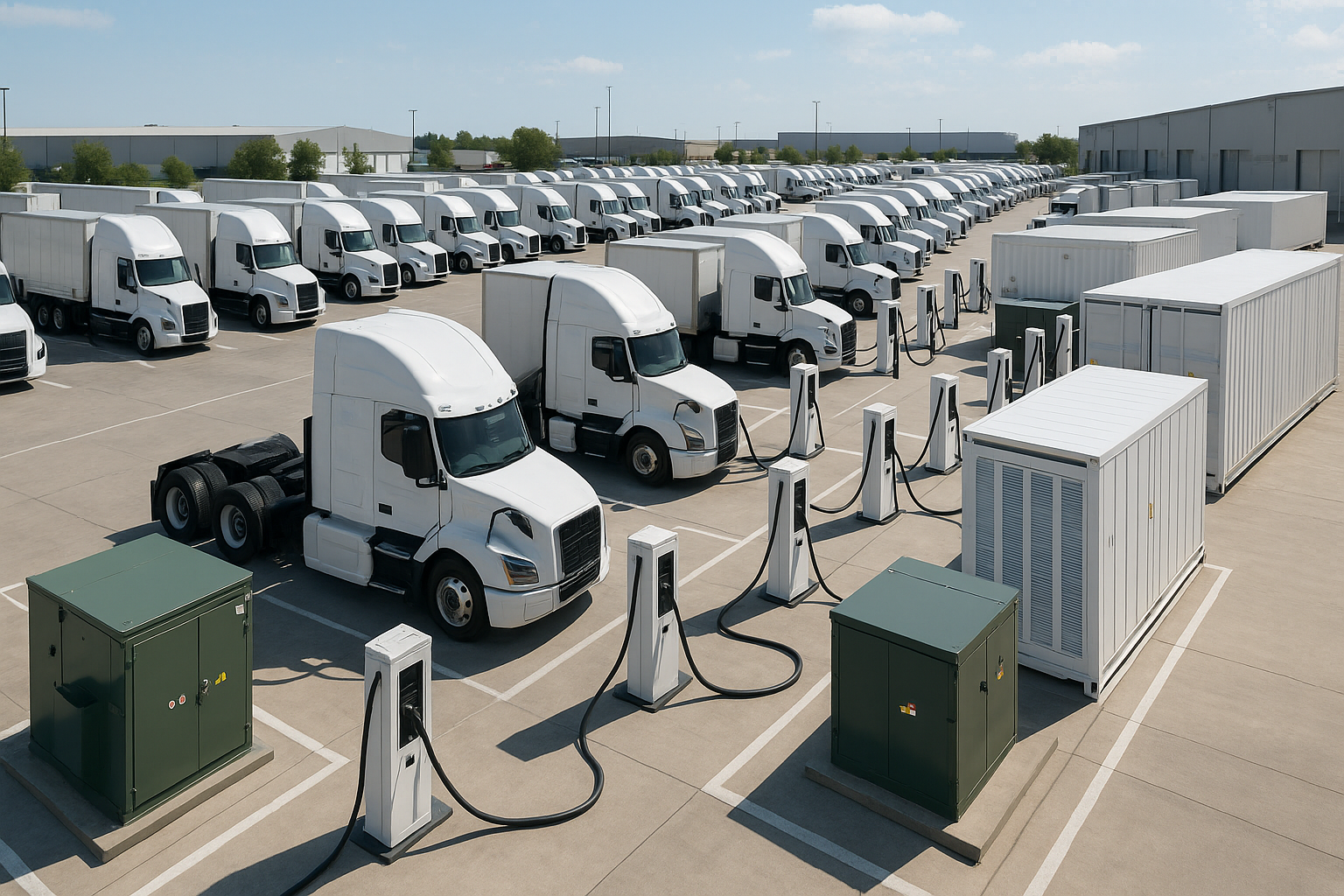
The rapid rise of electric transportation in the United States is no longer limited to personal cars. In 2025, one of the fastest-growing shifts is happening in commercial transportation, where electric heavy-duty trucks, delivery fleets, and industrial vehicles are becoming mainstream. This transition is reshaping how power is generated, distributed, and delivered—driving major investments in transformers, substations, and high-capacity charging systems. As fleets electrify, the U.S. grid enters a new era where electricity becomes the backbone of commercial logistics.
The Rise of Electric Heavy-Duty Trucks and Delivery Fleets
Growing Demand for Electric Trucks
Major logistics and retail companies—such as Amazon, Walmart, UPS, and FedEx—are rapidly integrating electric heavy-duty trucks into their fleets. These vehicles require significantly larger battery packs than passenger EVs, resulting in much higher instantaneous energy demand during charging. States like Texas, California, Illinois, and Georgia are leading adoption due to their industrial activity and strong charging infrastructure incentives.
Fleet Expansion and Charging Needs
Large distribution centers are transitioning into hybrid logistics-energy hubs. What once required power only for lighting and basic operations now demands high-capacity charging infrastructure to support dozens or hundreds of electric trucks. Fleet operators are adopting smart-charging schedules, energy-management systems, and battery storage to reduce strain on the grid during peak hours.
The Emergence of High-Capacity Charging Stations (Megachargers)
What Megachargers Are and Where They’re Being Installed
Megachargers are ultra-fast charging stations designed specifically for electric trucks, delivering 750 kW or more. They allow vehicles to recharge in minutes rather than hours. These stations are being deployed along major highways, at industrial hubs, and inside distribution centers to support long-haul and last-mile operations.
Grid Impact of Megacharger Networks
A single megacharger can consume as much instantaneous power as a medium commercial building. Clusters of megachargers can rival the demand of a small industrial park. Their installation often requires transformer upgrades, reinforced distribution lines, or the construction of dedicated substations.
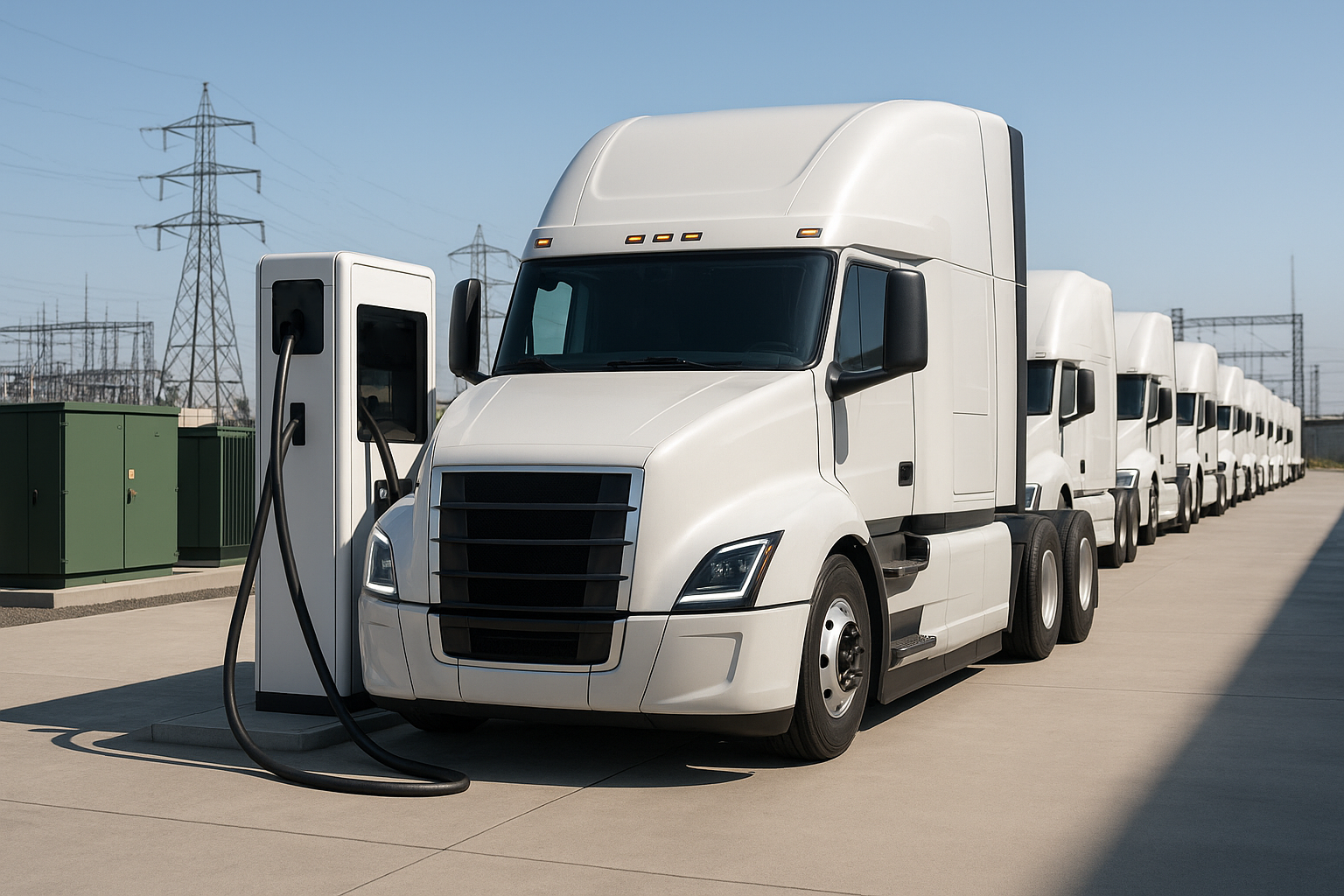
Transformers, Power Banks, and Substations for Heavy-Duty EV Infrastructure
High-Capacity Transformers for Fleet Charging
Heavy-duty EV fleets require robust electrical equipment capable of supporting continuous loads and extreme demand spikes. Utilities and private operators are increasingly using pedestal transformers ranging from 1,500 to 5,000 kVA, as well as utility-grade power transformers designed for 24/7 industrial operation.
New Substations for High-Density Charging Zones
High-demand charging hubs often require purpose-built substations equipped with:
- High-capacity transformer banks
- Voltage regulators
- Protective relays and reclosers
- Reinforced switchgear
- Load-management systems
These components ensure stable, safe, and efficient power delivery to large-scale charging operations.
Challenges: Instantaneous Demand and Peak Load Spikes
The Problem of Simultaneous High-Power Charging
If multiple heavy-duty EVs plug in simultaneously, the resulting surge in demand can overwhelm local distribution networks. These peaks may exceed the limits of existing transformer banks, requiring infrastructure upgrades to prevent overloads, voltage drops, or service interruptions.
Emerging Solutions to Manage Demand
To avoid grid congestion, operators are adopting:
- Smart-charging and load-shifting systems
- On-site battery storage
- Demand-response software
- Solar + storage microgrids for industrial fleets
These systems help flatten peak demand and reduce the need for major grid expansions.
A Major Opportunity for the Industrial and Energy Sector
Growing Need for Electrical Infrastructure
The electrification of heavy-duty transport is creating unprecedented demand for new electrical installations, including:
- Power transformers
- Distribution transformer banks
- Substation equipment
- Reinforced feeders and switchgear
- High-capacity charging systems
This represents a long-term opportunity for manufacturers, installers, and suppliers of electrical equipment.
Preparing for Future Demand
By 2030, analysts project that more than 30% of U.S. delivery trucks will be electric. Meeting this demand requires modernizing the grid, expanding substation capacity, and deploying next-generation transformer solutions. Companies that invest early in this sector will become strategic partners in building the future of electric logistics.
If your organization is preparing to expand its electrified fleet or develop high-capacity charging infrastructure, now is the time to partner with experts. United TRS Electric provides reliable transformers, distribution equipment, and customized solutions to support the transition to heavy-duty electric transportation.
Contact our team today to discuss your project needs and ensure your infrastructure is ready for the future.